Chimney Inspection Levels Explained: What Is a Level 1, 2, or 3 Inspection?
If you've been told you need a chimney inspection, you may have also heard terms like Level 1, Level 2, or Level 3 inspection. While these classifications can sound confusing, they're simply designed to ensure you receive the right inspection based on your chimney's condition and your specific situation.
If your fireplace has been operating normally and nothing has changed since your last inspection, a Level 1 chimney inspection is typically all that's needed. However, if you're buying a home, have experienced a chimney fire, completed renovations, or installed a new heating appliance, a more comprehensive inspection may be required.
Since 1969, Mr. Chimney has provided professional chimney inspection services throughout Westchester, Putnam, Dutchess, Rockland, the Bronx, Manhattan, and Fairfield County. Here's a simple breakdown of the three inspection levels and when each one is recommended.
The Three Levels of Chimney Inspection
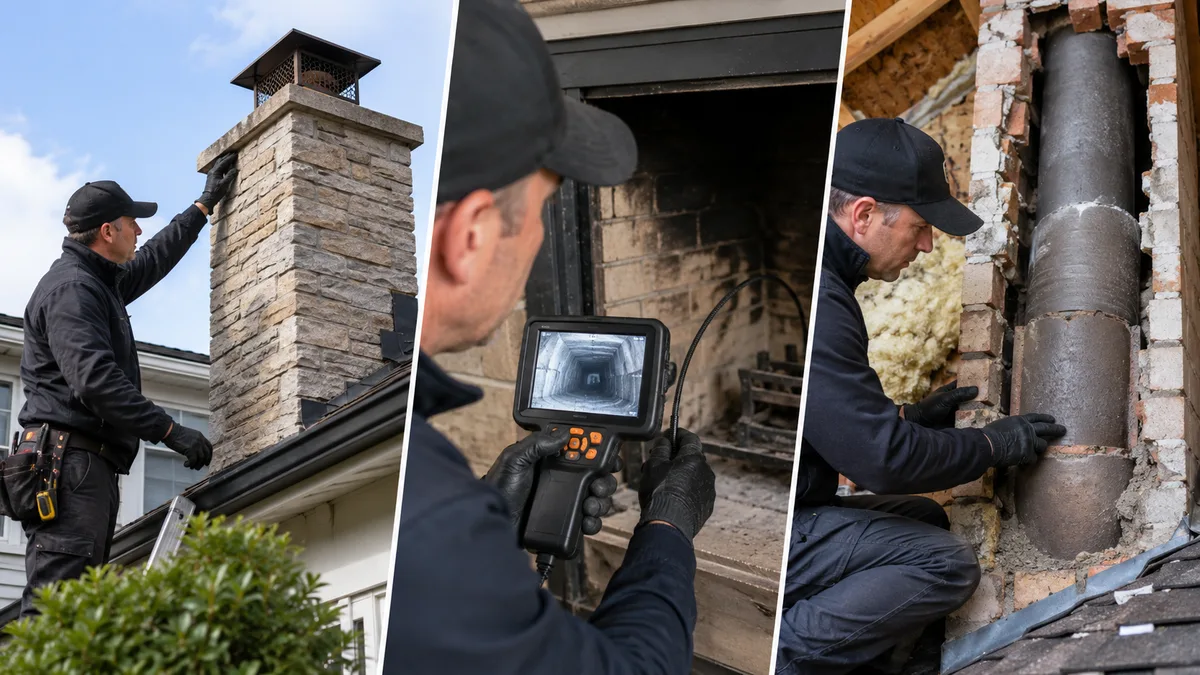
The three inspection levels are defined by NFPA 211, the national standard for chimney, fireplace, and venting system safety. Rather than offering different service packages, these levels help determine the appropriate chimney inspection based on your home's circumstances.
A Level 1 chimney inspection is the standard annual inspection for chimneys that have been used normally with no changes to the system.
A Level 2 chimney inspection is more detailed and includes a specialized camera inspection of the flue. It's recommended when buying or selling a home, after a chimney fire or severe weather event, or whenever changes have been made to the fireplace or heating system.
A Level 3 chimney inspection is the most comprehensive and is only performed when serious structural damage is suspected. This inspection may require removing portions of the chimney or surrounding structure to fully evaluate hidden problems. Fortunately, most homeowners will only ever need a Level 1 or Level 2 chimney inspection.
What is a Level 1 Chimney Inspection?
Your chimney is in steady use, nothing about it has changed since the last check, and you just want to know it's safe before the first fire. That's Level 1.
What Does a Level 1 Chimney Inspection Include?
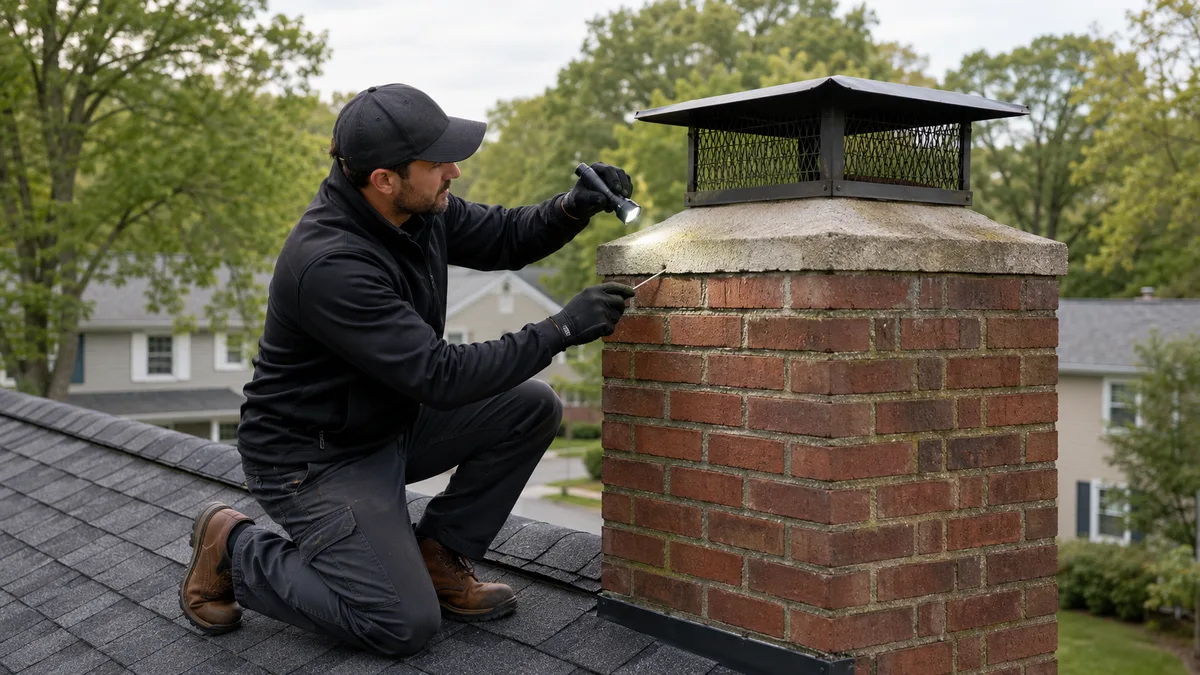
A Level 1 chimney inspection is the standard annual inspection for chimneys that have been used under normal conditions with no changes to the system. During the inspection, a certified technician performs a thorough visual examination of all readily accessible components, including the firebox, smoke chamber, damper, visible sections of the flue, and the chimney exterior. The inspector also checks for creosote buildup, soot, blockages, and other visible signs of wear or damage.
Because this is a visual chimney inspection, no specialized cameras are used, and no parts of the chimney are dismantled. For many homeowners, this level of inspection provides everything needed to confirm the fireplace is operating safely.
When a Level 1 Inspection Is Actually Enough
A Level 1 chimney inspection is appropriate when your chimney has been used as usual and no significant changes have occurred since the previous inspection. This includes homes that have continued using the same fireplace or heating appliance, the same type of fuel, and have not experienced a chimney fire or severe weather damage.
However, if you've purchased a new home, changed heating appliances, switched fuel types, or experienced a chimney fire, a Level 2 chimney inspection is typically recommended instead.
It's also important to remember that a chimney inspection is not the same as a chimney sweep. An inspection evaluates the condition and safety of the system, while chimney cleaning removes creosote, soot, and debris. Although many homeowners schedule both services during the same appointment, they serve different purposes.
What Doesn't a Level 1 Chimney Inspection Detect?
Because a Level 1 chimney inspection only evaluates visible and accessible areas, it cannot fully assess the interior of the flue. Hidden issues such as cracked flue tiles, deteriorating mortar joints, damaged chimney liners, or structural defects may go unnoticed without a camera inspection.
For older homes, especially those with masonry chimneys, a Level 2 chimney inspection provides a more complete assessment by using specialized video equipment to inspect the entire flue and identify problems that aren't visible during a standard visual inspection.
What is a Level 2 Chimney Inspection?
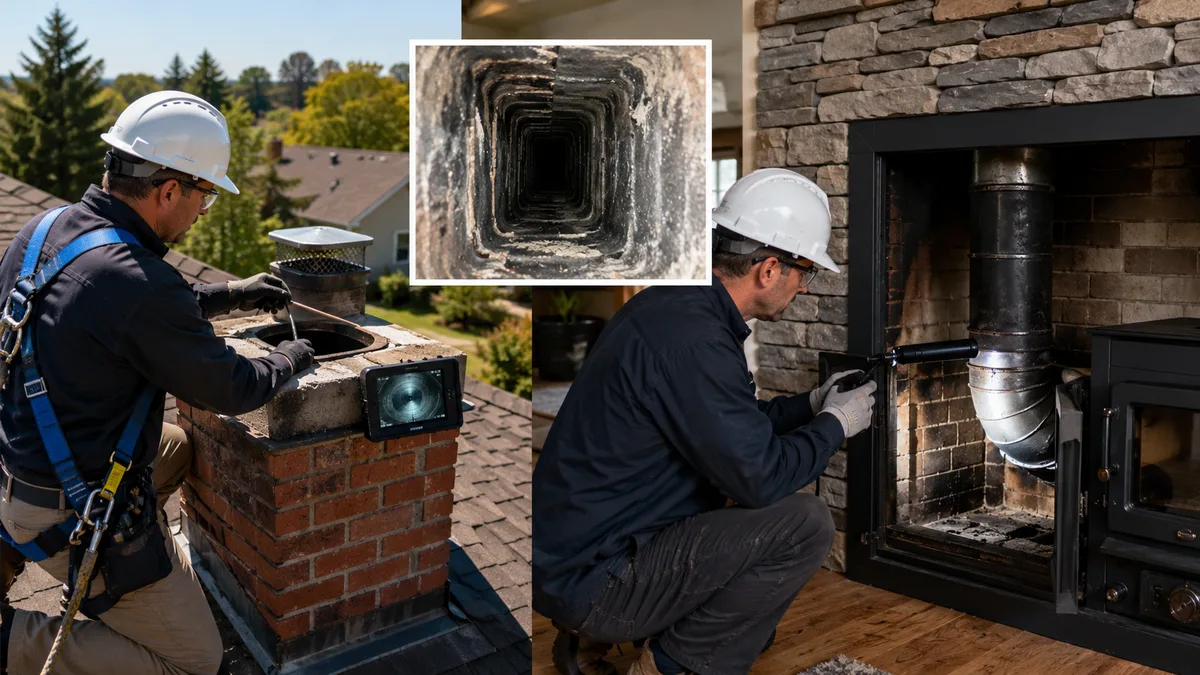
A Level 2 chimney inspection is the most commonly recommended inspection for homeowners because it provides a much more detailed evaluation than a standard visual inspection. It includes everything covered in a Level 1 chimney inspection, along with a specialized video camera inspection of the entire flue.
What Does a Level 2 Chimney Inspection Include?
The biggest difference between a Level 1 and Level 2 chimney inspection is the use of a high-resolution camera to inspect the full length of the chimney liner. This allows the inspector to identify hidden cracks, deteriorated mortar joints, damaged liners, and other issues that aren't visible during a standard inspection.
A Level 2 inspection also includes an evaluation of accessible attics, basements, and crawlspaces, verification of proper clearances from combustible materials, an assessment of appliance connections and shared venting systems, and documentation of the chimney's overall condition.
If a company advertises a Level 2 chimney inspection without performing a camera inspection of the flue, the inspection does not meet the NFPA 211 standard.
When Is a Level 2 Chimney Inspection Required?
A Level 2 chimney inspection is recommended whenever changes have occurred to your chimney or fireplace system. This includes buying or selling a home, replacing or installing a new fireplace, stove, furnace, or water heater, changing fuel types, relining the chimney, or following a chimney fire, severe storm, or structural damage.
One of the most commonly overlooked situations involves replacing a gas furnace or adding a water heater that shares the same flue. Even though the fireplace itself hasn't changed, the venting system has, making a Level 2 chimney inspection an important safety measure.
What Is a Level 3 Chimney Inspection?
A Level 3 chimney inspection is the most comprehensive inspection available and is only recommended when serious structural damage is suspected. It includes everything found in Level 1 and Level 2 inspections but may also require removing portions of the chimney or surrounding walls, ceilings, or other building materials to access concealed areas.
This type of chimney inspection is typically performed after a major chimney fire, severe structural movement, or when a Level 2 inspection identifies damage that cannot be fully evaluated without opening the structure. Fortunately, Level 3 inspections are uncommon, and most homeowners will never need one.
How Much Does a Chimney Inspection Cost?
The cost of a chimney inspection depends on the inspection level, the size and accessibility of the chimney, and the condition of the system.
A Level 1 chimney inspection typically ranges from $100 to $250, while a Level 2 chimney inspection generally costs between $300 and $600 because it includes specialized camera equipment and a more comprehensive evaluation. A Level 3 chimney inspection often starts around $1,000 and increases depending on how much of the structure must be accessed.
Many homeowners schedule a chimney inspection and chimney cleaning during the same appointment, making annual maintenance more convenient and cost-effective.
Does Weather Affect Chimney Inspections?
While weather doesn't usually change the price of a chimney inspection, it can reveal damage that requires repair. Repeated freeze-thaw cycles can crack masonry, chimney crowns, mortar joints, and flue tiles, allowing moisture to penetrate the chimney system.
Annual chimney inspections help identify these issues early, allowing for minor repairs before they become major structural problems.
How Often Should You Schedule a Chimney Inspection?
A professional chimney inspection should be performed at least once a year, regardless of how often you use your fireplace. Annual inspections help identify creosote buildup, structural damage, moisture intrusion, and ventilation issues before they become safety hazards.
While many homeowners schedule inspections in the fall before fireplace season begins, spring is also an excellent time to inspect your chimney after winter weather has taken its toll.
Should You Get a Chimney Inspection Before Buying a Home?
Yes. A Level 2 chimney inspection is strongly recommended before purchasing a home. Because you don't know the chimney's maintenance history or current condition, a camera inspection provides valuable information about the chimney liner, flue, and hidden structural issues.
For older homes, a professional chimney inspection can determine whether the chimney has a properly functioning liner and whether it's compatible with modern fireplaces or heating appliances.
Final Thoughts
Choosing the right chimney inspection depends on your situation. A Level 1 chimney inspection is ideal for annual maintenance when nothing has changed. A Level 2 chimney inspection is recommended whenever a property changes ownership, a heating appliance is replaced, or damage is suspected. Level 3 chimney inspections are reserved for rare situations involving serious structural concerns.
If you're unsure which inspection your home needs, the experienced team at Mr. Chimney can help. Since 1969, we've provided trusted chimney inspection services for homeowners and businesses throughout the tri-state area.
Call 1-347-284-1155 or contact us today to schedule your professional chimney inspection.
Frequently Asked Questions
What is the difference between a Level 1 and Level 2 chimney inspection?
A Level 1 chimney inspection is a visual evaluation of all readily accessible components and is intended for chimneys that have experienced no changes. A Level 2 chimney inspection includes everything in Level 1 plus a video camera inspection of the entire flue, making it the recommended choice when buying or selling a home, replacing heating equipment, or after a chimney fire or storm.
When do I need a Level 2 chimney inspection?
A Level 2 chimney inspection is recommended whenever you purchase or sell a home, install or replace a heating appliance, change fuel types, experience a chimney fire, sustain storm damage, or reline your chimney. It provides a more thorough evaluation than a standard visual inspection.
How often should I schedule a chimney inspection?
The National Fire Protection Association recommends scheduling a chimney inspection at least once every year, regardless of how frequently you use your fireplace. Annual inspections help detect safety concerns before they become costly repairs.
Can weather increase chimney repair costs?
Yes. While weather doesn't typically affect the cost of a chimney inspection, freeze-thaw cycles and moisture intrusion can damage masonry, chimney liners, and mortar joints. Annual inspections help identify these issues early, minimizing repair costs.
Should I get a chimney inspection before buying a home?
Absolutely. A Level 2 chimney inspection is the best way to evaluate the condition of a chimney before purchasing a home. The camera inspection can reveal hidden defects, damaged liners, and structural issues that aren't visible during a standard visual inspection.